


Understanding Edge AI: Real-time Data Processing
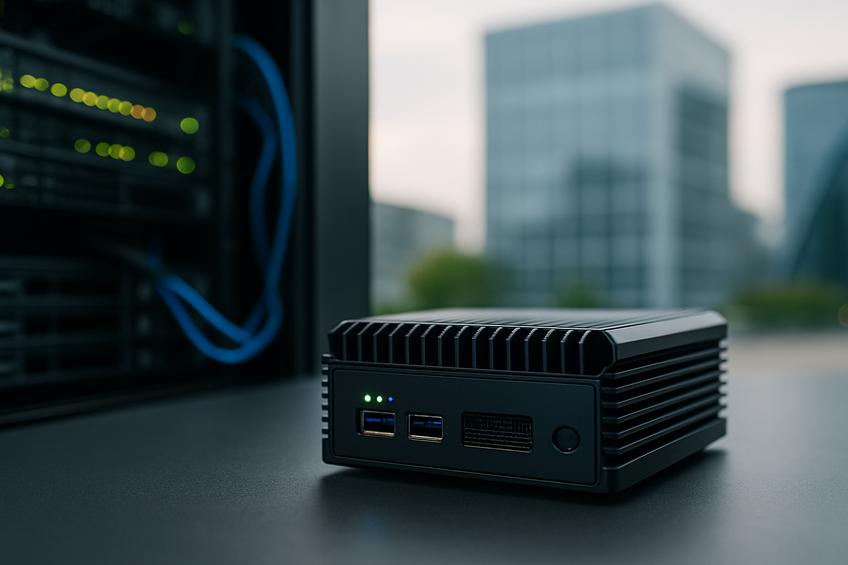
Edge AI refers to the deployment of artificial intelligence algorithms directly on devices located at or near the source of data generation, known as edge devices. Unlike traditional AI models that process data in centralized cloud servers, Edge AI enables real-time data processing and decision-making without the need to send information back and forth to a remote cloud. This proximity to data sources drastically reduces latency, which is critical for applications requiring instantaneous responses, such as industrial automation, autonomous vehicles, and smart surveillance systems [Guru].
The fundamental principle behind Edge AI is to perform "inference at the edge," meaning AI models run predictions on live data locally. This approach conserves bandwidth by limiting the volume of data transmitted to the cloud and enhances security by keeping sensitive information closer to its origin. Additionally, Edge AI supports real-time resiliency, allowing systems to operate independently even when cloud connectivity is intermittent or unavailable.
By reducing latency and enabling immediate, localized insights, Edge AI is becoming an indispensable technology in modern IT operations, facilitating faster, smarter decision-making and unlocking new possibilities across various industries [Barreras IT].
Enhancing Efficiency with Edge AI Devices
Edge AI devices enable immediate processing of data directly at the source, minimizing latency and allowing IT teams to respond swiftly to operational needs. This on-device intelligence supports real-time analytics, significantly enhancing efficiency and responsiveness across various industries. For instance, in manufacturing, Edge AI can analyze sensor data from equipment to predict maintenance needs instantly, preventing costly downtime. In healthcare, wearable devices equipped with Edge AI can monitor patient vitals continuously and alert medical staff about anomalies without delay [Intelisis].
Retail environments use Edge AI to manage inventory dynamically and personalize customer experiences based on real-time data. By reducing reliance on centralized cloud processing, Edge AI facilitates faster decision-making and immediate response to critical events, improving operational workflows, optimizing resource use, and enhancing overall agility.
Leaders seeking to implement Edge AI solutions can benefit from exploring managed IT services that integrate these capabilities, leveraging cloud technologies combined with real-time edge analytics to maximize performance and resilience [Barreras IT].
Security Enhancements Through Edge AI
Edge AI plays a vital role in enhancing security by enabling edge devices to automatically detect and respond to security threats in real time, preserving system performance. Unlike traditional cloud-centric models, Edge AI processes data locally on devices, minimizing the need to transmit large amounts of data over networks. This approach reduces latency, lowers bandwidth usage, and increases reliability, particularly critical for applications with strict real-time requirements or limited internet connectivity.
Edge AI systems utilize advanced machine learning algorithms to continuously analyze data from sensors and user activity, detecting anomalies that may indicate security breaches. These proactive systems can isolate compromised devices and block unauthorized access, significantly shortening the response window [Scaleout Systems].
By filtering and acting on relevant data locally, Edge AI ensures minimal disruption to overall system performance while maximizing threat detection accuracy and response speed. This capability makes Edge AI an essential component of modern cybersecurity strategies across sectors, from industrial automation to enterprise IT infrastructures [Barreras IT].
The Role of Edge AI in Predictive Maintenance
Edge AI plays a crucial role in enhancing predictive maintenance strategies by analyzing data locally from equipment sensors to anticipate failures before they occur. This capability allows organizations to shift from reactive maintenance to a proactive approach, significantly reducing downtime and maintenance costs. By processing data at the edge, AI systems can provide real-time diagnostics and predictive insights without the latency of cloud dependencies, enabling immediate action to prevent equipment malfunctions.
In industries such as manufacturing, Edge AI-powered predictive maintenance continually monitors machinery health, identifying patterns and anomalies that signal impending failures. This enables maintenance teams to schedule targeted interventions, extend equipment lifespan, and improve operational reliability [Forbes].
Ultimately, the combination of AI and edge computing fosters smarter maintenance workflows, boosting efficiency and ensuring business continuity through data-driven foresight and timely responses.
The Future of Edge AI in IT Operations
The future of Edge AI technology is poised to transform IT operations by enabling real-time data processing and analytics directly at the source, enhancing productivity and decision-making on-site. Advances in neural networks, the proliferation of IoT devices, and the integration of 5G connectivity will drive the evolution of Edge AI, allowing more complex and efficient algorithmic tasks to be executed locally without relying on centralized systems [Advantech].
Emerging innovations will focus on enhancing the intelligence and autonomy of edge devices, enabling them to perform advanced analytics, predictive maintenance, and rapid anomaly detection independently. IT operations stand to benefit greatly from these developments through faster response times, streamlined workflows, and improved cybersecurity measures applied closer to data sources.
As these technologies mature, organizations can expect significant gains in operational efficiency and data utilization at the on-site level. For those interested in how intelligent automation is reshaping IT support functions, exploring strategies for AI integration in help desk operations offers valuable insights into broader trends of automation and AI-driven IT enhancements [Barreras IT].
Sources
- Advantech - Edge AI Overview
- Barreras IT - Endpoint Security Management
- Barreras IT - Help Desk Automation Strategies
- Barreras IT - Managed Service Providers Insights
- Forbes - Transforming Predictive Maintenance
- Guru - Comprehensive Edge AI Guide
- Intelisis - Edge AI Insights
- Scaleout Systems - Edge Computing and AI