


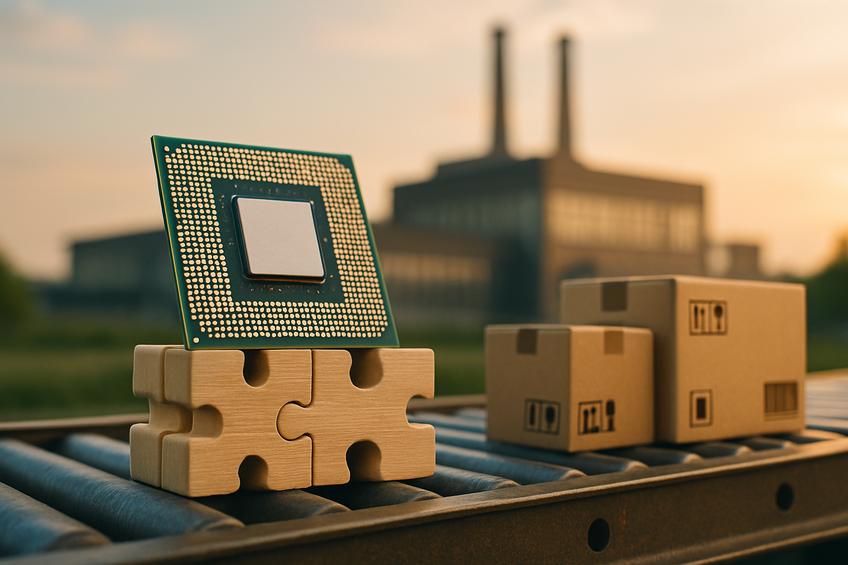
Challenges in Microprocessor Supply Chains
In 2025, microprocessor supply chains continue to experience significant challenges that affect the global flow of components. Despite some normalization in semiconductor inventories, several persistent issues remain:
- Demand Fluctuations: The semiconductor industry faces uneven demand cycles influenced by shifts in consumer electronics, automotive, and emerging technology needs. These fluctuations make precise supply chain planning difficult, occasionally leading to shortages or gluts.
- Manufacturing Bottlenecks: High costs of factory infrastructure and limited capacity expansions cause production constraints. Advanced semiconductor fabrication plants require enormous investments and time to scale, leading to bottlenecks that ripple through the supply chain.
- Geopolitical Influences: Political tensions and trade restrictions between major manufacturing hubs create vulnerabilities. These dynamics impact the sourcing of raw materials, access to cutting-edge manufacturing equipment, and cross-border logistics, adding complexity and risk to supply continuity.
- Resource and Talent Shortages: The industry faces scarcity of essential raw materials and skilled labor, further stressing production capabilities and innovation efforts.
These factors contribute to ongoing uncertainty and operational challenges for companies relying on microprocessor components, emphasizing the need for diversified sourcing strategies and agile supply chain management to mitigate risks in 2025 and beyond Supplyframe.
Production Delays and Their Impact
Production delays in 2024 are primarily driven by a combination of high demand for microprocessors, extended lead times for components, and significant geopolitical challenges. The surge in demand, especially in AI and advanced technology sectors, has outpaced the industry's ability to scale both production and packaging capacities simultaneously, leading to ongoing capacity constraints.
Additionally, the semiconductor supply chain is highly concentrated in specific regions such as Taiwan and South Korea. This regional concentration creates vulnerability; for instance, a 7.4-magnitude earthquake in Taiwan in April 2024 temporarily halted output at several key fabs and packaging facilities, showcasing how environmental events can severely disrupt supply continuity.
Geopolitical issues further complicate the situation. Tariffs, trade restrictions, and stringent compliance requirements stemming from aggressive trade reforms increase market fragmentation and supply chain complexity, affecting the availability and timely delivery of microprocessor components. Together, these factors—soaring demand, limited production capacity growth, regional supply chain risks, and geopolitical trade policies—are the primary causes behind ongoing production delays Sourceability.
Rising Costs: A Multifaceted Challenge
The rising costs of raw materials, infrastructure investments, and labor are significantly influencing the manufacturing process and market prices. Manufacturers are experiencing substantial increases in raw material expenses, which in turn elevates production costs. According to the National Association of Manufacturers (NAM) Q2 2025 Manufacturers' Outlook, 66.1% of manufacturers surveyed reported increases in raw materials, leading approximately 84.4% of manufacturers to plan price increases, with 41.2% expecting to raise prices by 5% or more.
This dynamic creates a challenging environment where companies must optimize operations and supply chains to mitigate the impact of cost increases while maintaining product quality. Ultimately, the increased costs in raw materials, labor, and infrastructure investments feed through the manufacturing process, resulting in higher prices that affect consumers directly and influence overall market trends McKonly & Asbury.
Learn more about optimizing your business's IT infrastructure to support cost-efficient operations in our overview of IT services costs and pricing models.
Strategies for Supply Chain Resilience
In response to ongoing supply chain disruptions, companies are adopting several strategies to enhance their resilience and recover more quickly. Key approaches include diversifying supply sources to reduce dependency on a single supplier or region, thereby lowering risk exposure. Investing in local manufacturing capabilities is another vital tactic, which helps to shorten the supply chain and improve control over production timelines.
Additionally, businesses are implementing smarter supply chain management practices, such as advanced digital monitoring and analytics tools that increase visibility and allow for proactive risk identification and response. These strategies often involve holding inventory buffers and fostering close collaboration with suppliers to ensure agility during disruptions. Automation is also utilized to reduce errors and speed up operational responses, supporting overall supply chain resilience.
Together, these measures help companies not only withstand current challenges but also build a more robust and adaptable supply chain for the future NetSuite.
For further insights on building resilient business operations and IT infrastructure, see our disaster recovery planning guide.
Technological Innovations Shaping the Future
The future of supply chains is being shaped by transformative technological innovations and strategic adaptations by industry leaders. Emerging technologies such as artificial intelligence (AI), blockchain, and the Internet of Things (IoT) are revolutionizing supply chain efficiency, transparency, and responsiveness.
AI enables predictive analytics and automation that streamline operations and enhance decision-making, while blockchain ensures secure and traceable transactions across the supply network. IoT devices provide real-time visibility into logistics processes, facilitating quicker responses to disruptions.
Industry leaders are integrating these technologies to build resilient, agile supply chains capable of adapting to dynamic market demands and global uncertainties. Strategies such as digital twins—virtual models of supply chain processes—and sustainable practices are gaining traction to mitigate risks and promote long-term growth.
Challenges remain, including cybersecurity threats, regulatory compliance, and the need for skilled professionals to manage complex digital systems. Managed Service Providers (MSPs) play a vital role by offering advanced IT support, AI-driven solutions, and security enhancements tailored to supply chain functions, helping businesses navigate these challenges efficiently.
As the supply chain sector continues to evolve, collaboration between technology providers, MSPs, and businesses will be essential to ensure stability and growth in an increasingly interconnected world University of the Cumberlands and Barreras IT.
Sources
- Supplyframe - What's Ahead for Semiconductor Supply Chains in 2025
- McKonly & Asbury - Tariffs and the Manufacturing Industry: Navigating a Shifting Landscape
- Sourceability - AI Chip Shortages Deepen Amid Tariff Risks
- NetSuite - Handle Supply Chain Disruptions
- University of the Cumberlands - Supply Chain Management Trends and Innovations
- Barreras IT - Understanding IT Services Costs In Miami: Key Factors And Pricing Models
- Barreras IT - The Vital Role Of Managed Service Providers In Modern Business Operations
- Barreras IT - Disaster Recovery Planning For SMBs: Essential Strategies For Resilience And Continuity