


Transforming the Semiconductor Industry with AI and Robotics
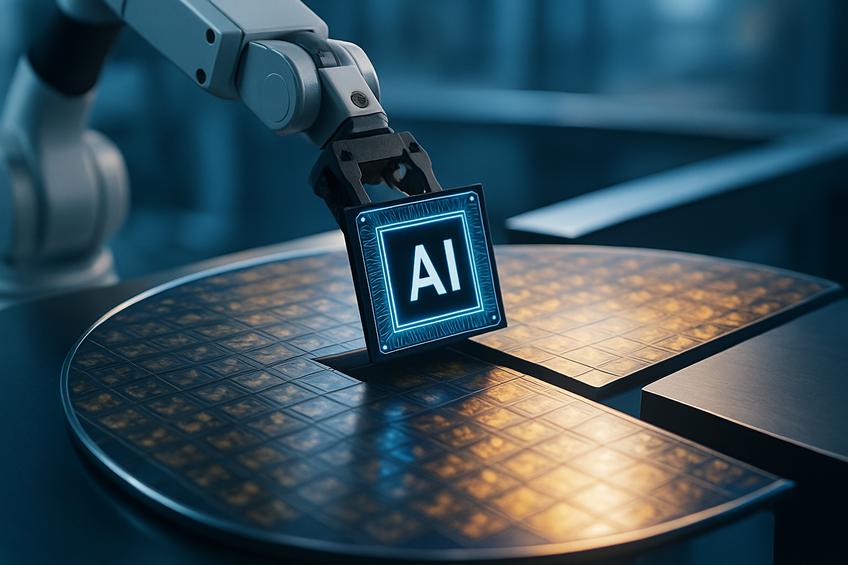
The semiconductor industry is undergoing a transformative shift driven by the integration of artificial intelligence (AI) and robotics. These technologies address longstanding production challenges such as the physical limitations in process node scaling and the complexity of manufacturing precision microprocessors. AI enhances predictive maintenance, quality control, and process optimization, while robotics brings automation, precision, and efficiency to semiconductor fabrication. By combining these advanced technologies, the industry is improving production yields, reducing defects, and accelerating manufacturing cycles. This synergy not only meets the rising demand for cutting-edge semiconductors but also paves the way for innovations in related fields like 5G, IoT, and intelligent robotics, which, in turn, rely on semiconductor advances to enhance their performance. For a deeper understanding of the ongoing convergence and its opportunities, you can explore the analysis of how robotics and semiconductor technologies are evolving together to overcome current production bottlenecks and shape the future of manufacturing at ICDrex.
Current Challenges in Chip Manufacturing
The current state of chip manufacturing is marked by significant challenges such as demand-supply imbalances, manufacturing limitations, and a pressing need for technological advancements. The global semiconductor shortage, triggered in early 2020 by the COVID-19 pandemic, has severely disrupted supply chains and manufacturing schedules worldwide. This shortage was exacerbated by a surge in demand for personal computers, AI products, edge computing devices, and Internet of Things (IoT) technologies, which increased global chip demand by approximately 13%. Key semiconductor manufacturing hubs like South Korea and Taiwan faced production bottlenecks, creating ongoing supply constraints.
To address these issues, semiconductor manufacturers are heavily investing in expanding production capabilities, including constructing new fabrication plants. For example, Taiwan Semiconductor Manufacturing Company (TSMC) is building a new facility in Arizona expected to be operational by 2028. Such initiatives, aided by government programs like the CHIPS Act, focus on increasing domestic manufacturing capacity to reduce dependency on foreign supply chains and meet growing market demands. Despite these efforts, the industry faces intrinsic manufacturing challenges, including complex fabrication processes, limited yield rates for advanced chip nodes, and the escalating costs of semiconductor production. These factors hinder rapid scaling of supply and emphasize the need to innovate both in chip design and manufacturing technology to keep pace with demand. For businesses relying on IT infrastructure amid these challenges, engaging with managed service providers can be crucial to navigating technology limitations effectively The vital role of managed service providers.
AI's Impact on Manufacturing Efficiency
AI-driven applications are transforming manufacturing by significantly enhancing efficiency, reducing errors, and optimizing workflows. Predictive analytics, for example, uses data from sensors and operational systems to forecast machinery maintenance needs before failures occur, minimizing downtime and cutting costs. This proactive maintenance approach ensures continuous production while avoiding costly repairs.
Quality control is another critical area improved by AI. Machine learning algorithms analyze production line data in real-time to detect deviations and defects early, improving product quality and reducing waste. These AI systems can adapt to new patterns, continuously refining detection accuracy without manual intervention.
Beyond maintenance and quality, AI optimizes design and production workflows by simulating manufacturing processes and supply chain scenarios. This enables manufacturers to streamline operations, allocate resources more effectively, and respond rapidly to market changes. Overall, AI-powered solutions in manufacturing enable higher quality standards, greater operational efficiency, and innovative resource usage, providing a competitive edge in global markets. Read about how AI is reshaping quality control and efficiency in manufacturing at Quality Magazine.
Innovative Robotics in Semiconductor Fabrication
Robotics deployment in semiconductor fabrication plants (fabs) is transforming inspection and maintenance operations through innovative automation solutions. A notable example is Intel Foundry's use of Boston Dynamics' Spot robots combined with RealSense cameras for autonomous facility inspections. These agile quadruped robots navigate complex fab environments, equipped with RealSense depth cameras, thermal cameras, acoustic imagers, and lidar to detect inspection targets, perform hazard avoidance, and stream data back to Intel's centralized monitoring systems. Since deployment, Intel has operated 14 Spot units across six fabs with plans to expand to 30 units, enabling continuous autonomous monitoring that delivers improved efficiency, safety, and insight at scale. This case showcases how AI-powered robotics can enhance real-time facility management in demanding semiconductor manufacturing contexts, reducing manual effort and increasing operational uptime while maintaining high safety standards. Learn more about Intel Foundry’s cutting-edge robotics deployment and its impact on semiconductor manufacturing at RealSense's detailed case study.
Emerging Technologies Reshaping the Industry
Emerging technology trends are poised to further bridge production gaps and reshape industry landscapes through innovative advancements. One of the most impactful trends is the rise of Industry 4.0, which integrates cutting-edge technologies such as the Internet of Things (IoT), artificial intelligence (AI), and cloud computing directly into manufacturing processes. This digital transformation enables businesses to optimize operations, enhance product quality, and reduce costs significantly.
A key innovation in this space is the use of digital twins—virtual replicas of physical assets that allow real-time monitoring and predictive maintenance to minimize downtime and maximize efficiency. Companies like Siemens are already leveraging digital twins to streamline factory operations, and future developments anticipate their expanded role in sustainability efforts, energy management, and deeper data analytics for strategic decision-making. As industries continue embracing these technologies, they achieve unprecedented levels of operational excellence and agility. The ongoing adoption of AI-powered analytics and IoT-driven connectivity promises to drive smarter, more responsive production models that can adapt swiftly to changing demands and market conditions. For businesses looking to navigate and harness the power of these emerging technologies, understanding the potential of digital twins and Industry 4.0 is essential. You can explore more about how these innovations transform IT infrastructure and production efficiency in the detailed insights available at Barreras IT services and related resources. Digital transformation and smart manufacturing trends are discussed by IBM.
Sources
- Microprocessor Shortage: Ongoing Impacts On SMB IT Projects And Strategies For Adaptation
- Barreras IT services - How Digital Twins Are Revolutionizing IT Infrastructure Monitoring
- ICDrex - Challenges and Opportunities for Robots in the Semiconductor Industry
- IBM - Manufacturing Trends
- RealSense - Robotics and AI Transform Semiconductor Manufacturing
- Quality Magazine - AI in Manufacturing: Reshaping Quality Control and Efficiency
- 2025 State of the U.S. Semiconductor Industry report