


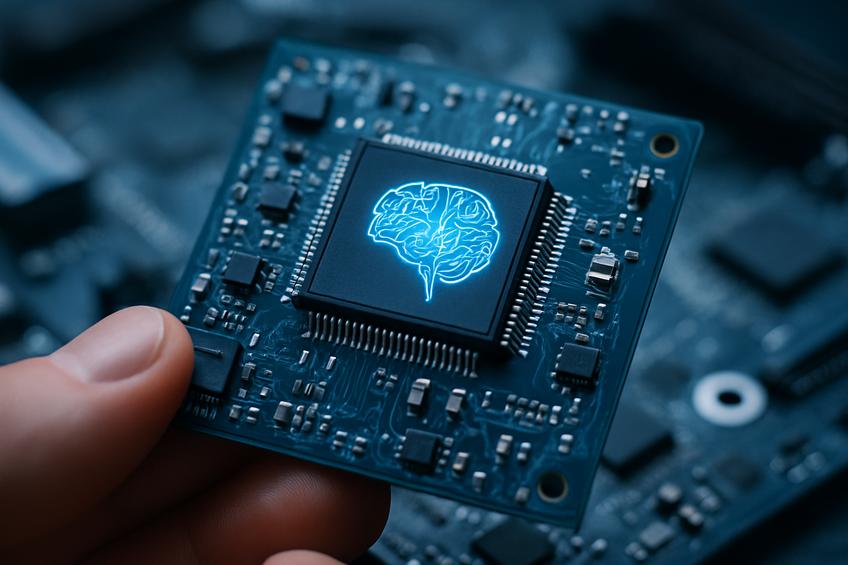
Understanding Firmware and Its Role
Firmware is a specialized type of software that provides low-level control and management of hardware devices. It acts as a bridge between the physical components of hardware and higher-level software, such as operating systems, enabling the essential functions and communications within a device. Unlike general software, firmware is embedded directly into hardware components, overseeing their operations and ensuring correct performance. For example, modern devices like computers require specific firmware, such as UEFI with Secure Boot, to maintain security and system integrity by Wikipedia.
AI's Transformative Impact on Firmware Development
Artificial intelligence (AI) is revolutionizing firmware by enhancing its development and operational capabilities. AI-assisted firmware development streamlines workflows by automating routine tasks, facilitating collaboration between hardware and firmware engineers, and providing deep insights into hardware design through analysis of schematic data. This integration allows for faster, more accurate, and cost-effective firmware creation and optimization. AI enables smarter firmware solutions that adapt and respond dynamically to hardware conditions, ultimately improving device performance and reliability. According to Flux AI, incorporating these advanced processes not only enhances firmware efficiency but also reduces time to market.
Enhanced Efficiency through AI-Integrated Firmware
AI-enhanced firmware introduces transformative features that significantly improve hardware efficiency, reduce latency, and accelerate processing capabilities. By integrating artificial intelligence directly into firmware development, engineers gain deeper insights into hardware behavior, allowing for optimization at the most fundamental level of device operation. This AI-driven approach enables firmware to more intelligently manage hardware resources, resulting in lower power consumption and improved performance without increasing physical hardware demands. The integration of AI algorithms empowers firmware with adaptive capabilities, allowing for continuous learning and dynamic adjustment to varying operational conditions, further boosting processing speeds as stated by Flux AI.
Revolutionizing Industries with AI-Driven Firmware
AI-driven firmware is revolutionizing various industries by enhancing operational efficiency, improving control mechanisms, and enabling more effective monitoring of hardware systems. In manufacturing, AI firmware predicts equipment failures to reduce downtime, ensuring continuous operation and minimizing costly interruptions. This predictive capability facilitates proactive maintenance and optimizes asset utilization. In addition, sectors like transportation and logistics use AI-powered firmware to automate tasks such as assembly, packing, and sorting through robotic process automation (RPA), significantly boosting operational efficiency while lowering labor costs. Learn more about the wide-ranging benefits of AI applications across industries in the insights on AI benefits in major sectors.
The Impact of AI-Integrated Firmware on Device Intelligence
AI-integrated firmware is making significant impacts across various industries by enhancing device intelligence and operational efficiency. In industrial automation, for example, AI firmware embedded in machinery improves compliance, safety, and productivity by enabling real-time monitoring and predictive maintenance. A UK manufacturer implemented AI-driven firmware solutions, enhancing safer material transportation and regulatory compliance, resulting in reduced accidents. In consumer electronics, AI in firmware allows smart devices to adapt dynamically to user behaviors, optimizing performance and energy consumption. Furthermore, healthcare applications, like AI firmware in medical devices, assist in diagnostics and patient monitoring, revolutionizing medical interventions. These real-world examples illustrate how AI-integrated firmware transforms simple hardware into intelligent systems capable of learning and adapting according to Softlabs Group.
Emerging Trends in Firmware Development
Emerging trends in firmware development are increasingly shaped by the integration of AI, heralding a new era in hardware management technologies. One significant advancement is the rise of AI-powered tools that streamline firmware coding, enabling developers to write, test, and optimize code faster and with greater accuracy. Tools like GitHub Copilot and Amazon CodeWhisperer enhance productivity and reduce human error in firmware development. Looking ahead, these advancements promise smarter automation across sectors like agriculture, healthcare, and industrial applications. This synergy between AI and firmware will not only improve device responsiveness but also unlock innovative opportunities for embedded systems. For more insights, check out how AI is changing firmware development on LinkedIn.
Sources
- Barreras IT - Migrating To Windows 11: What You Need To Know Before 2025
- Flux AI - Code Firmware Faster with AI
- Wikipedia - Firmware
- Codewave - Top AI Applications in Major Industries
- Softlabs Group - AI in Industrial Automation
- LinkedIn - How AI is Changing Firmware Development
- Barreras IT - How AI Revolutionizes IT Support: Transforming Efficiency and Customer Experience